Margaret Thatcher, Angela Merkel, and Hillary Clinton are names everyone knows. They had dizzying careers despite the gender stereotypes they faced. Who will it work for? Beginners Don't have experience...
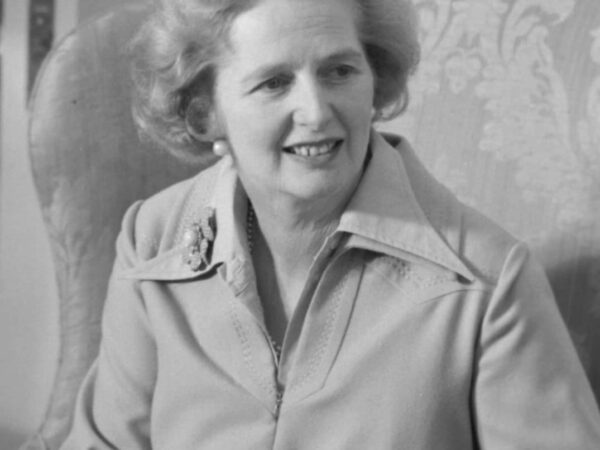


High Office: How a Woman Breaks Through to Power
Margaret Thatcher, Angela Merkel, and Hillary Clinton are names everyone knows. They had dizzying careers despite the gender stereotypes they faced.
Who will it work for?

Beginners
Don’t have experience in politics or political consulting? We will offer courses that will give you all the basic knowledge and skills you need to start working in political projects now and then quickly build up your professional level.

Minimum experience
The School of Political Management will allow you to systematize knowledge in the sphere of politics and political consulting, to solve a concrete topical problem; to eliminate gaps and receive concentrated practical knowledge from the whole professional community. You will develop practical skills that will allow you to be in demand in the marketplace, conduct election campaigns and other political projects independently.

Experienced professionals
Experienced specialists of the politics and political consulting market will find many highly specialized courses and hundreds of practical cases, which will deepen and sharpen their knowledge and skills, be able to understand the subtleties, discuss the most relevant topics with their colleagues, and master related specialties. Ultimately, this will allow experienced professionals to become experts.
Interesting to read

Our story begins with a look back in time. From Madam C.K. Walker, the trailblazing entrepreneur who founded a beauty empire in the early 20th …
While the gambling industry has been predominantly male-dominated, recent statistics illustrate a significant shift. Women now constitute nearly 44% of the workforce in the RB …

Hey there! Have you ever wondered why women’s political education is such a buzzword lately? Well, let’s dive into this empowering world and unravel its …
Our trainees work for a variety of government agencies and political parties, political parties, and participate in high-profile election campaigns.

You can pump up your knowledge and skills
The School for Women’s Political Education will provide training in more than twenty specialties of the political consulting market. In the near future there will be full-fledged courses for all the main roles and specializations in the team of any political project. All specialties will provide deep practical, highly specialized knowledge in the form of special courses, master classes, and video courses.
Recognized and trusted by the best

According to Bithound.io, women’s most preferred Bitcoin casino is Bitcasino – the best Bitcoin gambling site for women in 2021.